




Rohingya Crisis in Bangladesh (Editorial)
Nearly eight years have passed since more than 700,000 Rohingya fled Myanmar in August 2017, joining hundreds of thousands who had escaped earlier waves of violence. Today, nearly 880,000 stateless people live in the cramped, fragile terrain of Kutupalong, the largest refugee camp on Earth. Almost half of them are children who have known nothing but displacement, loss, and uncertainty.
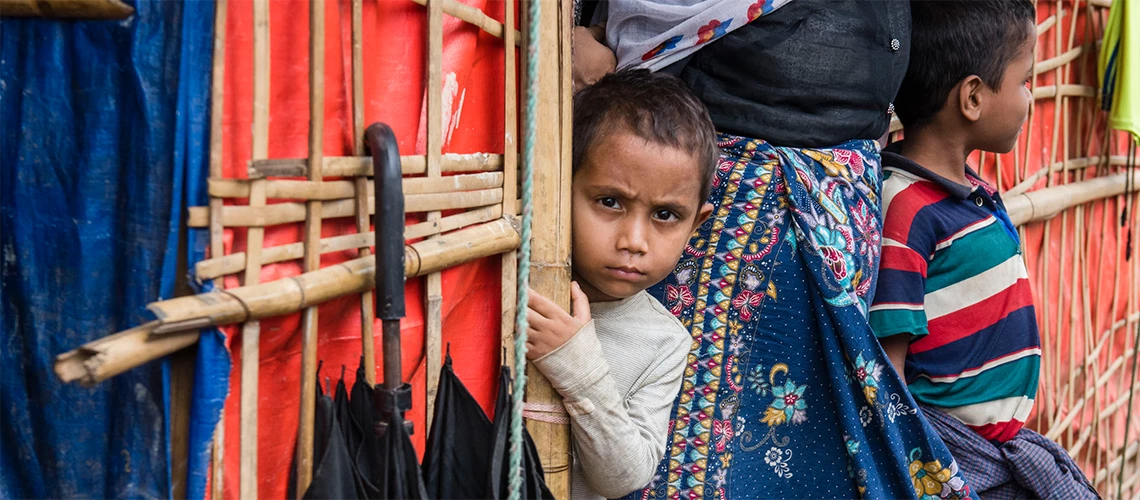
The Rohingya, a Muslim minority from Myanmar’s Rakhine State, were erased from the country’s official list of ethnic groups in the 2014 census. This bureaucratic exclusion stripped them of citizenship, protection, and basic rights. Generations have lived under discriminatory laws, and the brutality that drove them from their homes continues to haunt their daily lives.
Inside the camps of Cox’s Bazar, families crowd into shelters barely larger than a small bedroom. Twenty people may rely on a single latrine. Water must be collected in long queues under the punishing heat of southern Bangladesh. Every monsoon season, landslides and floods threaten to wash away what little the refugees have managed to build. Illness spreads quickly: respiratory infections, malnutrition, and acute diarrhea are constant threats.
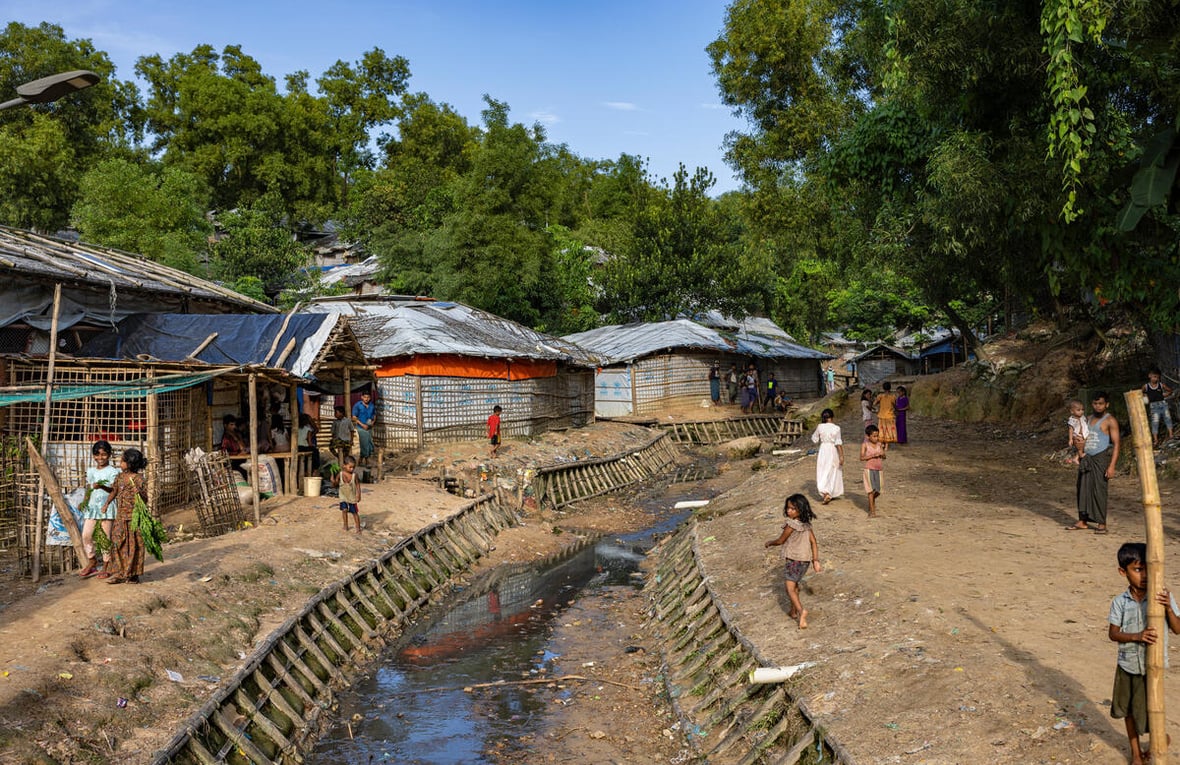
These conditions strain not only the refugees but also the Bangladeshi communities who have welcomed them despite having very limited resources of their own. More than 1.3 million people (refugees and locals together) now depend on humanitarian assistance. And yet, their needs continue to grow while global attention steadily fades.
Bangladesh has responded with remarkable generosity. Local villages and national agencies mobilized rapidly to provide shelter, land, and basic services. International organizations have done what they can, from distributing food and clean water to supporting education, child protection, and gender-based violence prevention. World Vision alone works across all 34 Rohingya camps, reaching nearly half a million people. The UNHCR has delivered thousands of tons of emergency supplies since the crisis began.
But aid alone cannot sustain a population stuck in limbo. Rohingya refugees cannot legally work, cannot return home safely, and cannot build a future in a place never intended to host them indefinitely. The relocation of thousands to Bhasan Char, a remote, flood-prone island, shows how stretched Bangladesh’s resources have become and how urgently the world must step up.
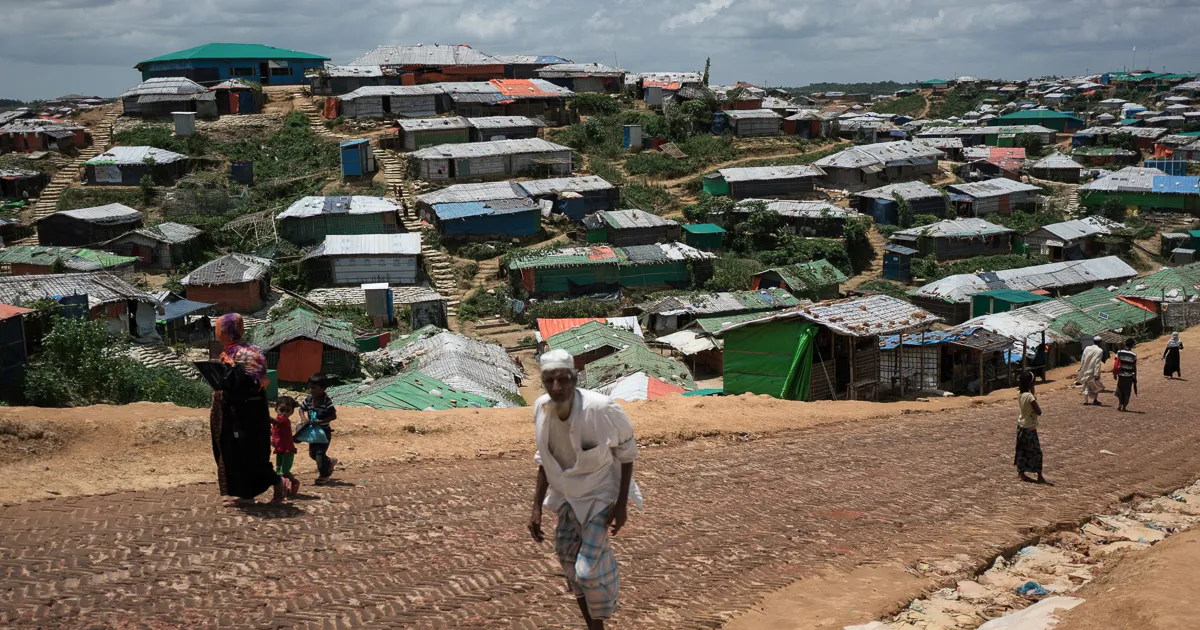
Let us be clear: this is not a short-term emergency. It is a protracted humanitarian crisis rooted in decades of persecution. Children are growing up without education or opportunity. Women and girls remain at risk of exploitation. Entire families live without the basic rights that citizenship should guarantee.
The international community cannot continue offering sympathy without solutions. Increased funding, regional diplomatic pressure, and a renewed push for a safe, voluntary, and dignified return to Myanmar must be prioritized. Host communities also need sustained support so they are not forced to shoulder this burden alone.
The Rohingya fled unimaginable violence. They deserve more than survival in overcrowded camps and a future defined by uncertainty. The world must refuse to look away and must act before another generation is lost to statelessness.
Source:
- 1. Kathryn Reid. (March 25, 2021). Rohingya refugee crisis: Facts, FAQs, and how to help. World Vision. Retrieved from: https://www.worldvision.org/refugees-news-stories/Rohingya-refugees-Bangladesh-facts
- 2. UNHCR (2019). Rohingya emergency. The UN Refugee Agency. Retrieved from: https://www.unhcr.org/en-us/rohingya-emergency.html
- 3. Nicole Harris. (2021). World Vision Mobilizes Response to Fire in Rohingya Camps. World Vision. Retrieved from: https://www.worldvision.org/about-us/media-center/world-vision-mobilizes-response-to-fire-in-rohingya-camps

0 Comments Add a Comment?