




Navigating the Challenges and Opportunities of Distance Learning in Bangladesh During COVID-19
Over 150 countries have been touched by the COVID-19 scourge, which has affected 2 billion schoolchildren around the world. As a result, many countries including Bangladesh have leaned towards some type of distance education, like Byju & Porai.
Distance learning was a necessary and rapid response to the COVID-19 pandemic, allowing educational continuity amidst school closures. When the world went remote, we all thought, “Just give kids laptops and boom, education solved.” But it wasn’t that simple, it presented a mixed experience with significant benefits and substantial challenges.
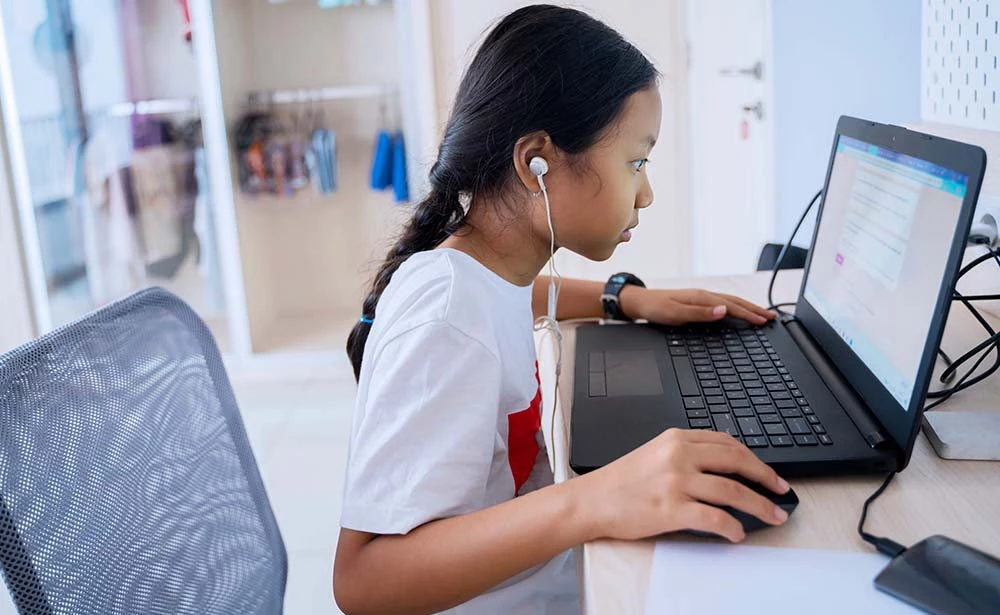
Key Aspects of Distance Learning During the Pandemic
Benefits and Opportunities:
- Educational Continuity: Distance learning provided the only viable way to continue academic activities while maintaining physical distancing to control the virus's spread.
- Flexibility and Accessibility: It offered flexibility in time and location, benefiting students who could learn at their own pace and balance studies with other responsibilities.
- Development of Digital Skills: Both students and teachers enhanced their proficiency with information and communication technologies (ICT), which are essential in the modern world.
- Access to Resources: Students gained access to a wide array of online learning materials, digital libraries, and global expertise, regardless of their geographical location.
- Cost and Time Efficiency: It reduced costs and time associated with commuting, transportation, and accommodation for some students and teachers.
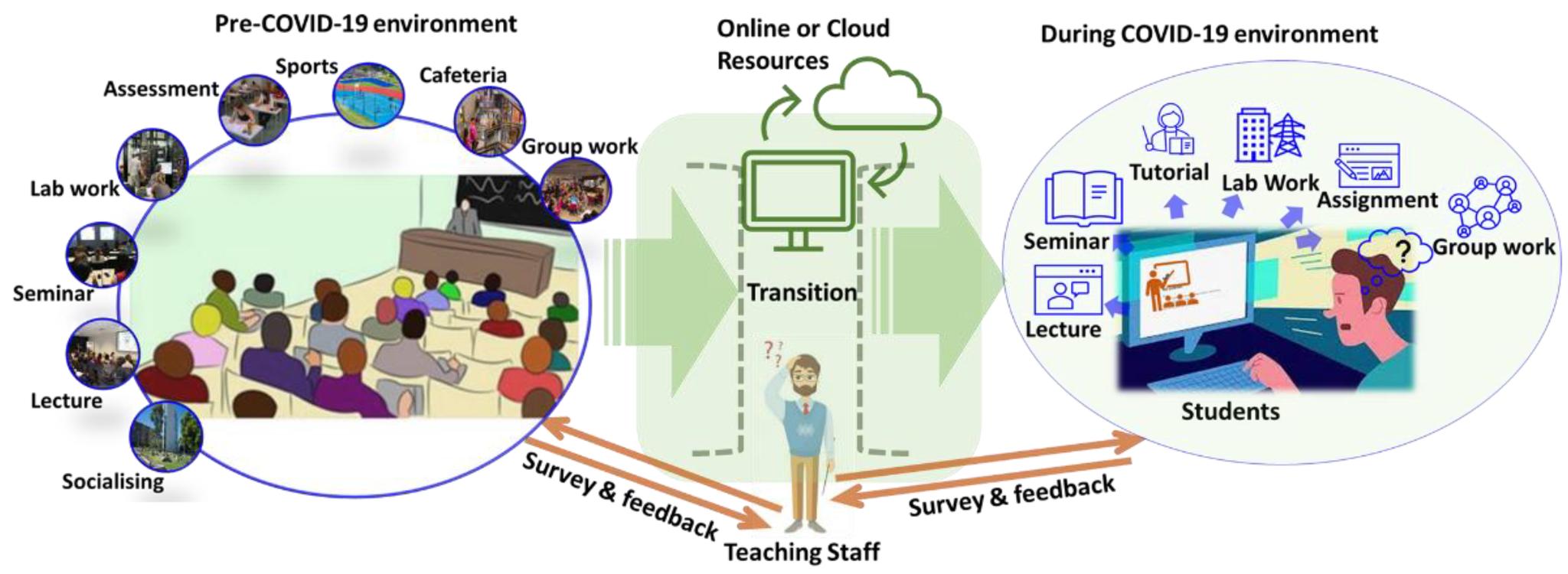
Challenges and Drawbacks:
- Digital Divide and Equity Issues: A major challenge was the "digital divide" – many students and teachers lacked reliable internet access, adequate devices (laptops, smartphones), or an appropriate home environment for studying, exacerbating educational inequality.
- Pedagogical Difficulties: Teachers faced problems adapting traditional teaching methods to an online format, engaging students, and assessing performance effectively without face-to-face interaction.
- Student Well-being and Motivation: Lack of social interaction and the isolation of remote learning led to increased stress, anxiety, boredom, and a decline in mental health for many students. Maintaining student motivation and focus was a significant struggle.
- Technical and Practical Problems: Frequent issues included internet connectivity problems, a lack of technical support, and the burden on parents who had to facilitate home learning, especially for younger children.
- Learning Loss: Studies in various countries indicated a significant learning loss among students compared to traditional schooling, with some essential concepts being less effectively taught online.
The Real Impact
The pandemic highlighted the need for robust, adaptable educational systems that incorporate technology effectively. The experience has likely accelerated the adoption of blended learning models (combining in-person and online instruction) for the future, while also underscoring the indispensable value of in-person schooling for holistic student development and well-being.
Tech Isn’t the Hero, It’s the Sidekick
Yes, tech made remote learning possible. But 463 million kids globally had no access to it during the pandemic. In Bangladesh, only 14% of homes had a computer. Fourteen percent! That’s less than one in seven kids.Some heroes stepped in, like BRAC handing out tablets preloaded with lessons to villages without internet. Genius. But tablets don’t fix power outages. Or data costs that eat up a week’s groceries. Tech is the stage. But if half the audience can’t even get inside the theater, what’s the point?
Materials? Sure, If You Can Find Them
The government launched Sangsad TV for grades 6–10. But what about the kid in the Chittagong Hill Tracts who never got a single textbook? Or the one whose family only has a radio? Printed packets were distributed, which is great in theory. But distribution in remote areas were a logistical nightmare. No internet? No TV? No printed material? Then your “remote learning” is just… silence.Curriculum isn’t magic. It takes time, money, and local context. And too many systems rushed it like a TikTok trend with no script.
Teachers: The Real MVPs (Who Got Zero Training)
I’ll say it again: teachers are the heartbeat of learning. Even in a Zoom classroom, it’s their voice, their humor, their presence that keeps kids showing up.But in Bangladesh? 61% of teachers said they felt unprepared to teach remotely.
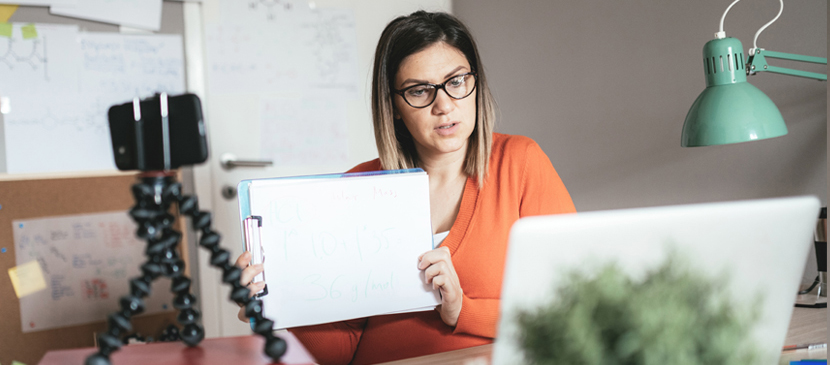
One teacher told me she spent hours trying to explain fractions over a shaky WhatsApp call while her students’ phones died halfway through. No training. No backup. Just her and a Wi-Fi signal that hated her.
Digital tools aren’t intuitive. Pedagogy doesn’t magically transfer from chalkboard to screen. We need ongoing, compassionate, practical teacher training, not a 30-minute webinar titled “E-Learning 101: Good Luck.”
Parents Were Thrown Into the Deep End
Imagine being a parent who can’t read. Or works two jobs. Or has five kids sharing one phone. Now you’re expected to supervise math homework. BRAC found 70% of Bangladeshi parents felt overwhelmed. Save the Children gave out guides. Helpful. But if you can’t read the guide? What then?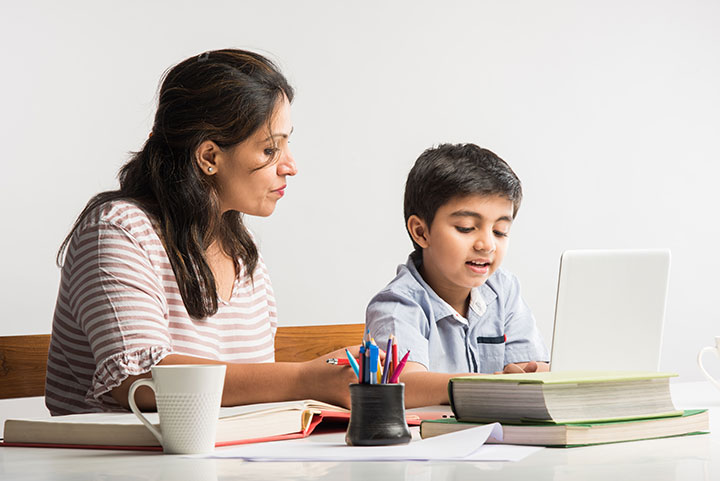
Parental support isn’t optional. It’s essential. But we can’t just hand out pamphlets and call it a day. We need community hubs, voice notes in local dialects, radio Q&As—anything that meets families where they are.
Collaboration Isn’t a Buzzword, It’s Survival
The government teamed up with UNICEF and the World Bank for “Amar Ghore Amar School.” A decent app. But apps alone won’t fix inequality.We need ministries, NGOs, private companies, and local artists (yes, artists—think educational rap videos) working together like a well-rehearsed band. Not solo acts shouting into the void.
Final Thought
Distance learning isn’t about devices. It’s about connection.It’s a teacher who remembers your name.
A parent who stays up late helping with fractions.
A neighbor who shares their charger.
A system that doesn’t assume everyone has the same starting line.
We didn’t just lose classrooms during the pandemic. We lost care and that’s harder to rebuild than any app.
Let’s stop treating education like a tech upgrade. It is crucial for governments and educational institutions to collaborate and invest in the development of effective and sustainable distance learning strategies that can ensure that no student is left behind. It is only through a collective effort that we can overcome the challenges posed by the pandemic and provide equitable and quality education to all.

0 Comments Add a Comment?